
Google Business Profile: The Most Underrated Lead Source
Your Website Isn't Your Most Important Digital Asset Anymore
That's a hard pill to swallow if you just spent $10,000 on a custom site.
But it's true.
For local businesses, your Google Business Profile matters more than your website. More than your social media. More than your paid ads.
Why? Because GBP is where customers make decisions. They search for a service. Google shows them a map with three businesses. They click one. They read reviews. They check hours. They call or visit. Done.
Your website might get the click after they've already decided you're worth considering. But GBP is where they discover you, evaluate you, and choose you over competitors.
And most small businesses are completely ignoring it.
Profiles are half-filled. Photos are outdated or missing. Reviews go unanswered. Posts are nonexistent. Hours are wrong. The business shows up in search but looks abandoned.
Meanwhile, competitors who optimize their GBP are getting calls, bookings, and walk-ins without spending a dollar on ads.
If you're not actively managing your Google Business Profile, you're handing leads to businesses that are. Here's how to stop losing and start dominating local search.
Why Google Business Profile Beats Every Other Marketing Channel
Let's compare lead sources for a local business:
Your website: People have to find it first. Either through search (which requires SEO), ads (which cost money), or social media (which requires content and engagement). Once they land on your site, they still have to navigate, read, and decide to contact you.
Social media: You post. Maybe 5% of your followers see it. Maybe 1% engage. Converting a social follower into a paying customer takes weeks or months of consistent content.
Paid ads: Expensive. Competitive. You pay per click whether they convert or not. Google Ads for local services can cost $20 to $100+ per click depending on your industry.
Google Business Profile: Free. Shows up when people are actively searching for your service in your area. Displays reviews, photos, hours, and contact info instantly. One click to call. One click for directions. Zero friction.
GBP isn't just another marketing channel. It's the channel. It's where high-intent customers are making buying decisions in real time.
The businesses that win local search aren't the ones with the biggest ad budgets. They're the ones with optimized, active, well-reviewed Google Business Profiles.
Most Google Business Profiles Are Half-Finished (And It's Costing You Leads)
Here's what happens when someone searches for a service in your area:
Google shows three businesses in the map pack. That's it. Three spots. Everyone else is invisible unless the user clicks "More businesses," which most don't.
How does Google decide which three businesses to show?
Relevance, distance, and prominence. Relevance means your profile matches the search query. Distance is geographic proximity. Prominence is based on reviews, engagement, and how complete your profile is.
If your profile is incomplete, you're not getting ranked. If you're not getting ranked, you're not getting seen. If you're not getting seen, your competitors are getting your leads.
Here's what most businesses get wrong:
Incomplete business information. Missing phone number, website, or service details. Google can't recommend you if it doesn't know what you do.
Generic or missing business description. Your description should clearly state what you do, who you serve, and where you operate. "Family-owned business providing quality service" tells Google nothing.
Wrong or inconsistent NAP. Name, address, and phone number must match exactly across your website, directories, and GBP. Inconsistencies confuse Google and hurt rankings.
No categories or wrong categories. Categories tell Google what you do. Choose the most specific primary category and add relevant secondary categories. "Contractor" is too broad. "HVAC Contractor" or "Plumbing Service" is specific.
Outdated or missing hours. If your hours are wrong, customers show up when you're closed. That's a lost sale and a bad review.
No photos or low-quality images. Businesses with photos get 42% more requests for directions and 35% more clicks to their website than those without. If your profile looks empty, customers assume you're not serious.
Zero activity. If you haven't posted anything in six months, Google treats your profile as inactive. Active profiles get prioritized.
Completing your profile isn't optional. It's the baseline. If you're not doing it, you're already losing.
Reviews Are the Difference Between Getting Chosen and Getting Ignored
Two businesses show up in the map pack. Same service. Same location. One has 50 recent five-star reviews. The other has 10 reviews from two years ago.
Which one gets the call?
Reviews aren't just social proof. They're the primary factor in whether customers trust you enough to contact you.
Google weighs review quantity, recency, and rating when ranking profiles. More reviews, more recent activity, higher average rating equals better visibility.
But most businesses don't have a review strategy. They hope customers leave reviews organically. Spoiler: they won't.
Here's what works:
Ask every satisfied customer. After a successful project, job, or service, ask for a review. Send a follow-up email or text with a direct link to your Google review page. Make it easy.
Respond to every review. Thank customers for positive reviews. Address concerns in negative reviews professionally and constructively. Engagement signals to Google that you're active and care about customer feedback.
Don't incentivize reviews. Google prohibits paying for reviews or offering discounts in exchange. It can get your profile penalized or suspended. Ask genuinely. Don't bribe.
Address negative reviews immediately. Ignoring a one-star review doesn't make it go away. Respond quickly, acknowledge the issue, and offer to resolve it offline. Future customers care more about how you handle problems than whether problems exist.
Automate review requests. Set up automated emails or texts that go out after a completed job. Use tools or workflows that integrate with your CRM or booking system. Automation ensures you ask consistently without relying on memory.
The goal isn't perfection. It's momentum. A profile with 50 reviews and a 4.7 average beats one with 5 reviews and a 5.0 average. Volume and recency matter.
Optimizing your Google Business Profile includes building a sustainable review generation system that runs automatically.
Posting on GBP Keeps You Visible and Relevant
Most business owners don't realize you can post directly to your Google Business Profile.
Just like social media, GBP allows updates, offers, events, and announcements. These posts show up in your profile when people search for your business or related services.
Why does this matter?
Active profiles rank higher. Google prioritizes businesses that engage regularly. Posting signals that your business is active and relevant.
Posts appear in search results. When someone searches for your service, your most recent post can appear in the map pack or knowledge panel, giving you extra visibility.
You can promote offers and drive action. Announce sales, seasonal promotions, or new services. Add CTAs like "Call now," "Learn more," or "Book online."
Posts improve engagement metrics. More clicks, more calls, more direction requests. These signals tell Google your profile is valuable to users, which improves rankings.
What to post:
Service updates. New offerings, expanded hours, new locations.
Promotions and discounts. Limited-time offers create urgency and drive immediate action.
Educational content. Tips, how-tos, seasonal advice relevant to your industry. Link to blog posts on your custom website design for deeper engagement.
Events. Hosting a workshop, attending a trade show, or sponsoring a community event? Post it.
Behind-the-scenes content. Team photos, project highlights, customer success stories.
Post at least once per week. Twice per week is better. Consistency matters more than frequency. A business that posts weekly for six months will outrank one that posts daily for two weeks and then goes silent.
Automation makes this sustainable. AI automation services can generate and schedule GBP posts based on your services, promotions, and content calendar without requiring manual effort every week.
Photos Sell Your Business Before Customers Ever Contact You
Your profile photo library is your first impression.
People scroll through your images to get a feel for your business before they call or visit. If your photos look unprofessional, outdated, or nonexistent, they move on.
What to include:
Exterior and interior shots. Show your location, office, showroom, or workspace. Clean, well-lit photos build trust.
Team photos. Put faces to your business. Customers want to know who they're working with.
Work examples. Before-and-after shots, completed projects, products, services in action. Visual proof of your work builds credibility.
Logo and branding. Your logo should be your profile picture. It ensures brand consistency across search results.
Customer interactions. Photos of satisfied customers (with permission), team members helping clients, or service delivery in action humanize your business.
Upload at least 10 high-quality photos. Update regularly. Add new images every month. Fresh content signals activity and keeps your profile engaging.
Avoid stock photos. Customers can tell. Authentic images outperform polished stock photography every time.
GBP Insights Tell You Exactly What's Working
Google provides analytics for your profile. Most businesses never look at them.
GBP Insights show:
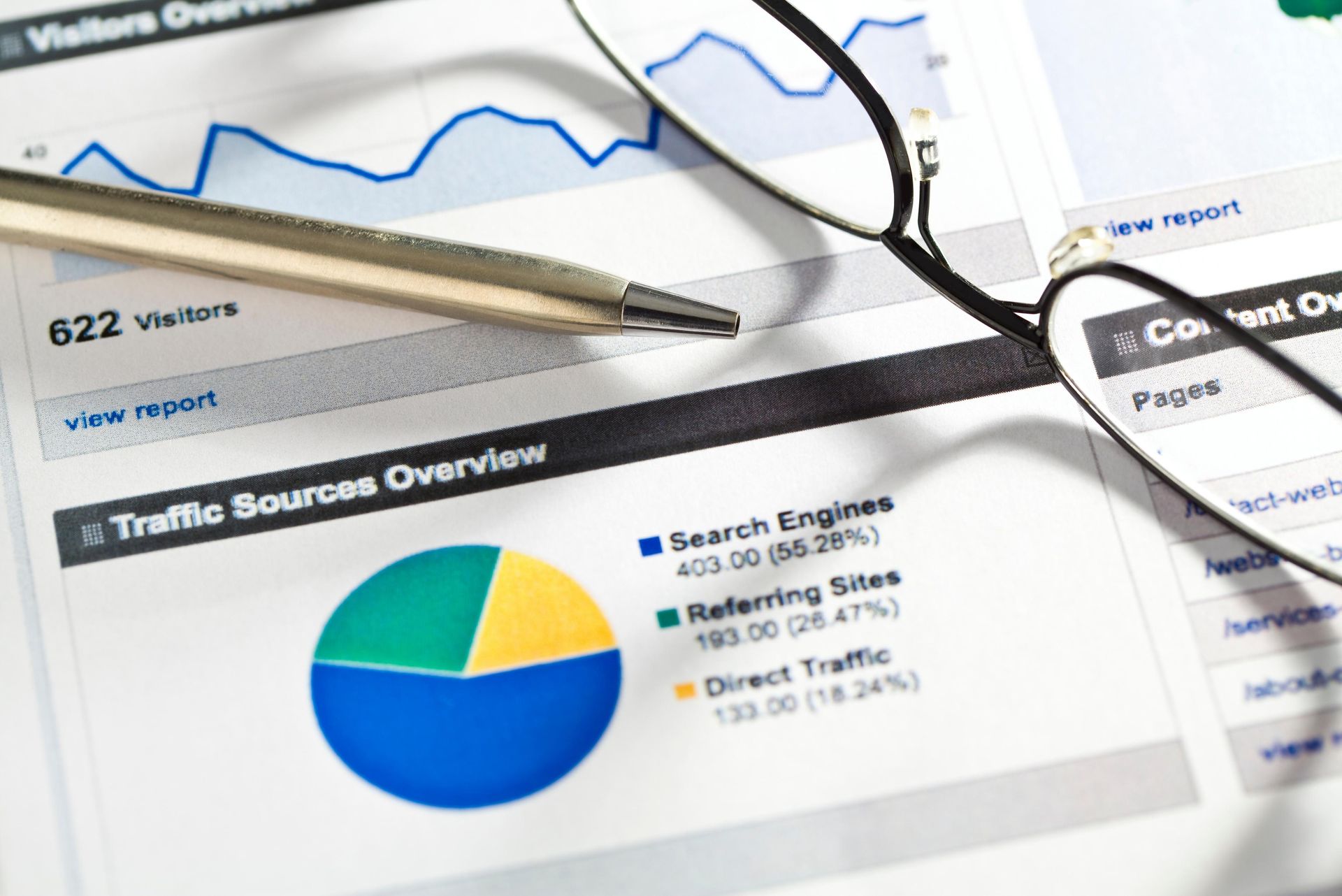
How customers found you. Direct searches (typed your business name) vs. discovery searches (searched for a service and found you).
What actions they took. Website clicks, direction requests, phone calls.
Where they're searching from. Geographic data showing which areas drive the most searches.
Search queries that triggered your profile. The exact terms people used to find you.
This data is gold. It tells you:
Which services to emphasize. If "emergency plumber" drives more searches than "water heater installation," prioritize emergency services in your posts and description.
Where to focus local SEO. If most searches come from a specific neighborhood, target that area in your content and keywords.
What's driving conversions. If phone calls spike after posting certain offers, do more of that.
When to post. Insights show when your audience is most active. Post during peak search times for maximum visibility.
Check your insights monthly. Adjust your strategy based on what the data shows. GBP isn't set-it-and-forget-it. It's an ongoing optimization process.
What Happens If You Ignore Your GBP
Local search isn't slowing down. It's accelerating.
Voice search, AI-powered recommendations, mobile-first behavior. Every trend points toward Google Business Profile becoming more important, not less.
If you're not optimizing your profile, you're invisible to the customers actively looking for your services right now. They're calling your competitors. Visiting their locations. Leaving them reviews.
Meanwhile, you're wondering why your phone isn't ringing.
Your website matters. Your social media matters. But neither drives leads like an optimized GBP. It's free. It's powerful. And most businesses are ignoring it.
The ones who aren't are dominating local search and capturing the majority of high-intent leads.
Let's See How Your GBP Stacks Up
We're offering free website audits that include a Google Business Profile analysis. We'll show you exactly where your profile is losing leads, what's missing, and how to optimize it for maximum visibility and conversions.
No sales pitch. Just a clear breakdown of where you stand and what to fix first.
Your competitors are optimizing their profiles right now. Don't let them take leads that should be yours.






Need Help Growing Your Business Online?
We offer website design, SEO, and AI automation services for Palm Beach County businesses.