
High-Converting Websites in AI Search: SXO and AEO Explained
Traditional SEO Is Dead. Long Live SXO and AEO.
You optimized your website for Google's algorithm. You hit your keyword targets. Your title tags are under 60 characters. Your meta descriptions are exactly 155 characters. Your internal linking strategy is solid.
And your rankings are fine. Traffic is decent. But conversions are still terrible.
The problem isn't your SEO. The problem is that SEO alone doesn't work anymore.
Google changed. Customer behavior changed. AI changed. And the ranking factors that mattered three years ago matter significantly less now.
What matters now is SXO: Search Experience Optimization. And AEO: AI Experience Optimization. And if your website isn't optimized for both, you're competing with one hand tied behind your back.
Here's the hard truth: a website optimized only for traditional SEO will rank okay but convert poorly. A website optimized for search experience and AI comprehension will rank better and convert much better.
This isn't theoretical. It's happening right now. The businesses adapting to SXO and AEO are winning. The ones still chasing keyword rankings are falling behind.
What SXO Actually Means (And Why It's Different From SEO)
Traditional SEO is about Google's algorithm. Keywords, backlinks, domain authority, page speed, mobile usability. You optimize for Google bots, and Google rewards you with rankings.
SXO is about users. Specifically, the search experience a user has when they land on your site.
Google's algorithm has evolved. It no longer just measures technical metrics. It measures actual user behavior. How long do people stay on your page? Do they scroll? Do they click? Do they come back? Do they convert?
These signals are measured through Core Web Vitals and user interaction metrics. They tell Google whether your page actually satisfies the user's search intent.
Here's the difference:
SEO says: Optimize for the keyword. Use it in your title, headers, and body text. Get backlinks. Improve page speed. You'll rank.
SXO says: Optimize for the person searching. Give them exactly what they're looking for immediately. Make the page easy to navigate. Remove friction. Make taking action obvious and simple.
An SEO-optimized page might rank #3. An SXO-optimized page ranks #1 and gets clicked more often because the title and snippet actually solve the user's problem.
Here's what SXO requires:
Clear, accurate title tags that answer the search query. Not keyword-stuffed. Not clickbait. Honest description of what the page delivers. If someone searches "how to fix a leaky faucet," your title should promise to help them fix it, not "The Ultimate Guide to Plumbing Secrets."
Meta descriptions that create curiosity and clarity. You have 155 characters. Use them to tell users exactly what they'll learn and why they should click your result instead of the others.
Page structure that guides the user. Headers that answer questions. Sections that build logically. Short paragraphs. Scannable content. Subheadings every 150 to 200 words.
Immediate relevance. If someone searches for "emergency plumber," your first paragraph should address emergency plumbing, not give them a history of your company.
Fast page speed. Core Web Vitals matter. Load time under two seconds. Responsive design. Smooth interactions. A slow page gets bounced, no matter how good the content is.
Clear conversion paths. Call button visible. Contact form easy to find. Next steps obvious. If users have to hunt for how to work with you, they'll leave.
SXO isn't a replacement for SEO. It's an evolution. You still care about keywords and technical optimization. But you prioritize user experience and actual conversion over algorithm metrics.
AEO: Optimizing for How AI Actually Reads Your Content
Here's where most websites completely miss the mark.
Google's algorithm scans for keywords, links, and user signals. AI systems scan for meaning, context, and useful information.
When someone asks ChatGPT, "What's the best way to improve my website's conversion rate?" ChatGPT doesn't search for pages with the keyword "conversion rate optimization" in the title. It looks for pages that comprehensively answer the question, regardless of how they're keyword-optimized.
Google SGE works similarly. It reads your content, understands what you're saying, and decides whether you're the best source to cite. If you are, your content gets pulled into the AI-generated summary. If you're not, the user never sees your page.
This requires AEO: AI Experience Optimization.
AEO isn't about fooling AI. It's about making your content easy for AI to understand, cite, and recommend.
Here's how:
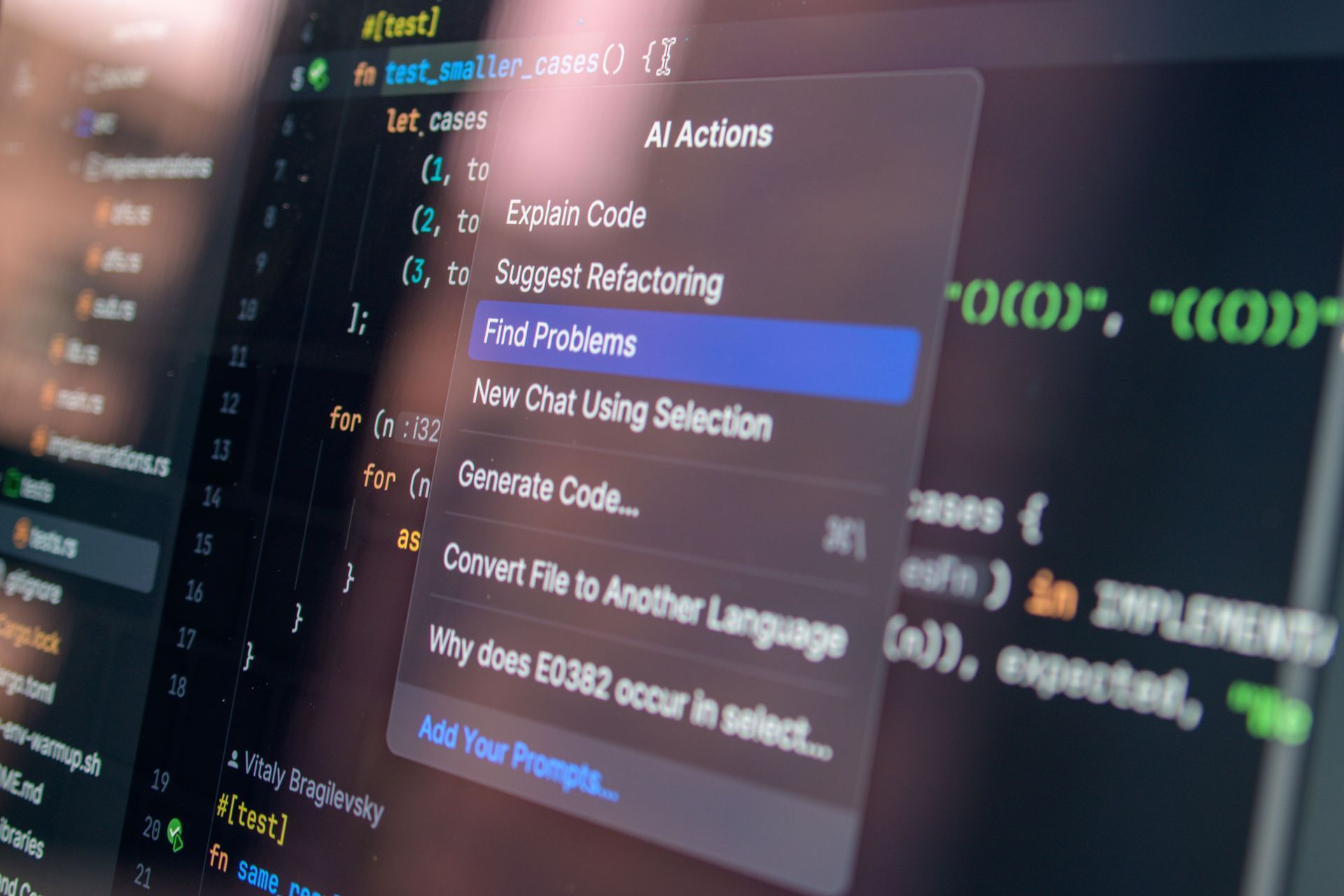
Use structured data (schema markup). Schema markup tells AI what your content is about without having to interpret it. Article schema, LocalBusiness schema, Product schema, FAQ schema. Structured data makes your content machine-readable.
Write comprehensive answers to specific questions. AI looks for content that fully addresses a query, not content that mentions keywords. If your page answers "Why is my website slow?" with a complete, actionable guide, AI will cite it. If your page is 200 words of keyword-stuffed nonsense, AI will skip it.
Use clear headers and subheadings. AI uses headers to understand the structure and main topics of your content. Headers that ask questions ("What Causes Slow Page Speed?") and answer them work better than headers designed for keywords.
Include summary sections or featured snippets. If your content has a clear summary that answers the main question in 40 to 60 words, AI can pull that directly. Featured snippets in Google search and citations in AI summaries both come from content that's easy to extract and quote.
Cite sources and link to authority. AI values content that references other authoritative sources. It shows you're knowledgeable and trustworthy. Link to industry research, case studies, and expert sources.
Use natural language and avoid keyword stuffing. AI is trained on human conversation. Content that sounds natural and helpful ranks better with AI systems than content optimized for keyword density.
Provide unique insights and data. Generic content doesn't get cited. Original research, case studies, customer data, and unique perspectives do. If you're the only one saying something valuable, AI will recommend you.
A website optimized for AEO doesn't just rank in Google. It gets cited in ChatGPT responses. It shows up in Google SGE summaries. It gets recommended by AI assistants. You become the authority that AI systems trust.
GEO: Making Sure Local Customers Find You
For local businesses, there's a third optimization layer: GEO, or Geographic Experience Optimization.
Traditional local SEO focuses on Google Business Profile and local citations. GEO goes deeper.
It's about making sure every element of your website and profile communicates your geographic relevance. When someone searches for a service in your area, every signal should point to you.
What GEO includes:
Geographic keywords throughout your website. "Plumber in Miami," "HVAC repair in South Florida," "dentist in Coral Gables." Your city and region should be woven naturally throughout your content, not just in the title tag.
Local phone numbers and local address on every page. If you serve multiple areas, list those areas explicitly. If you're in one location, make sure your address and phone number are prominent and consistent.
Local content and case studies. Blog posts about local events, client success stories from your area, community involvement. Content tied to your geography builds local authority.
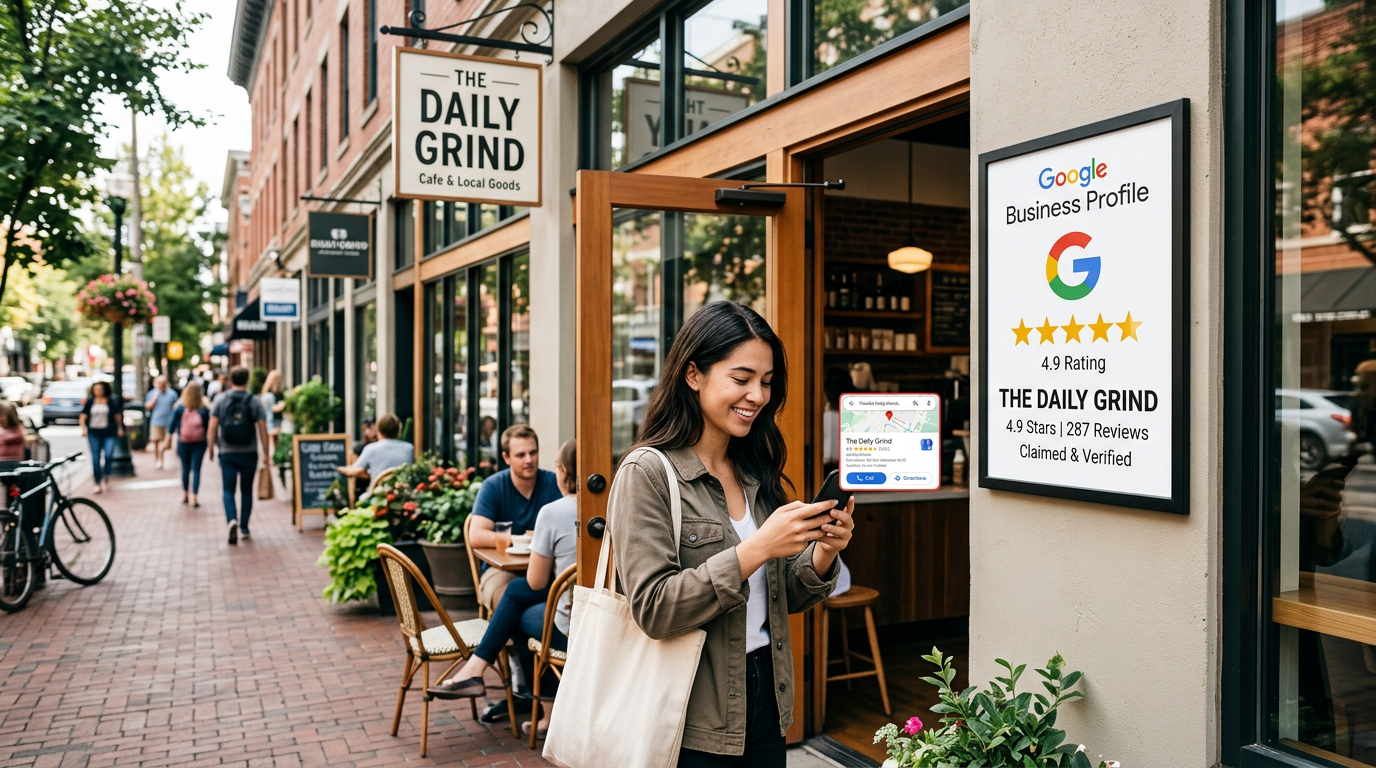
Optimized Google Business Profile with local focus. We've covered this, but GEO means your GBP is optimized specifically for geographic relevance and local search visibility.
Local structured data. LocalBusiness schema, local event schema, local service area schema. Structured data tells AI systems exactly where you operate and who you serve.
Community and social signals. Reviews from local customers, mentions in local news and directories, local social media engagement. These signals tell Google you're a legitimate local business.
GEO isn't separate from SEO or AEO. It's an overlay. A website that's strong on SXO and AEO but weak on GEO will rank nationally but struggle locally. A website that integrates all three dominates in local search across all platforms.
How These Optimizations Work Together in Practice
Let's use a real example. You're a contractor in Tampa offering kitchen remodels.
Traditional SEO approach: Target "kitchen remodel Tampa." Get backlinks. Optimize page speed. Hope to rank.
Result: You rank #4 for the keyword. You get some traffic. Conversions are weak because your page doesn't clearly explain your process, timeline, or pricing.
SXO approach: Your homepage immediately answers what someone searching for kitchen remodels wants to know: How long does it take?
How much does it cost? What's the process? Your page is structured to guide them through your offering. CTAs are clear. Contact forms are easy to find. Page speed is fast.
Result: You rank #2. You get fewer clicks than #1, but a higher percentage of people who click actually convert because your page solves their problem.
SXO + AEO approach: You optimize for SXO as described above. You also write a comprehensive guide: "Kitchen Remodel Timeline: What to Expect from Demo to Completion." You structure it with clear headers. You include schema markup. You provide detailed, genuinely helpful information that positions you as an expert.
Result: You rank #1 for "kitchen remodel Tampa." When someone asks ChatGPT "how long does a kitchen remodel take," your content gets cited. When someone uses Google SGE to research kitchen remodels, your guide appears in the summary. You get traffic from search, traffic from AI citations, and higher conversion rates because your content is comprehensive and trustworthy.
SXO + AEO + GEO approach: You do everything above. You also post regularly on your Google Business Profile. You create location-specific content for different neighborhoods. You get reviews from Tampa customers. You sponsor local events and mention them on your site.
Result: You dominate local search across all channels. You appear in the map pack. You show up in local AI recommendations. You rank nationally for your service. You have the highest conversion rate because your custom website design is optimized for user experience, your content is optimized for AI comprehension, and every signal tells the algorithm you're the local authority.
What Your Website Audit Should Cover
If you're serious about competing in 2026, your website audit needs to evaluate all three layers.
SXO audit: Are your titles and descriptions compelling and accurate? Does your page structure guide users effectively? Is page speed optimized? Are CTAs clear and prominent? Do users actually convert?
AEO audit: Do you have schema markup implemented? Is your content comprehensive and answer common questions? Are your headers clear? Do you cite sources? Is your content unique or generic?
GEO audit (if you're a local business): Is your address and phone number consistent across your site? Do you mention your service area? Is your Google Business Profile optimized? Are you getting local reviews? Do you have location-specific content?
A website that passes all three audits will rank better, convert better, and stay competitive as search algorithms continue to evolve.
Most audits only check traditional SEO. That's outdated. You need SXO and AEO evaluation to understand what's actually holding you back.
Content Creation and Continuous Optimization
All of this requires content that's well-researched, clearly written, and regularly updated.
Generic content doesn't rank for SXO. Keyword-stuffed content doesn't work for AEO. Outdated content doesn't signal relevance to any algorithm.
A content strategy that feeds your website with regular, high-quality, optimized posts is the foundation of everything we've discussed.
Content creation that's designed with SXO, AEO, and GEO in mind is no longer optional. It's the baseline for competitive websites.
AI automation services can make this sustainable. Regular content that's optimized for all three layers without requiring hours of manual work every week.
The Competitive Advantage Is SXO and AEO Right Now
The businesses that are winning in 2026 aren't doing traditional SEO. They're doing SXO, AEO, and GEO.
They're ranking higher. They're getting cited in AI summaries. They're converting better. They're staying ahead while competitors are still obsessing over keyword rankings.
If your website hasn't been optimized for search experience and AI comprehension, it's outdated. Not in design. In strategy.
Find Out Where Your Website Actually Stands
We're offering free website audits that include SXO, AEO, and GEO analysis. We'll show you exactly how your site performs on search experience optimization, AI comprehension, and (if applicable) geographic relevance.
No technical jargon. Just a clear breakdown of what's working, what's missing, and how to compete in AI-powered search.
Your competitors are optimizing for SXO and AEO right now. The question is whether you will too.







Need Help Growing Your Business Online?
We offer website design, SEO, and AI automation services for Palm Beach County businesses.