
How AI Follows Up With Leads Faster Than Your Competitors
The Sale Isn't Lost to a Better Competitor. It's Lost to a Faster One.
Someone fills out your contact form. They're ready to buy. They're comparing three businesses right now, and they'll go with whoever responds first.
You check your email four hours later. You call them back. No answer. You leave a voicemail. They never call back.
They didn't choose your competitor because the competitor was better. They chose them because the competitor called back in 6 minutes, while you called back in 6 hours.
This happens constantly, and most business owners don't even realize it's costing them money because the lead just goes quiet. No complaint. No feedback. They just disappear and hire someone else.
Speed to lead is one of the most underrated factors in sales conversion, and AI is the only realistic way to compete on it without hiring a full-time receptionist to sit by the phone 24 hours a day.
The Data on Response Time Is Not Subtle
Studies from Harvard Business Review and lead conversion research firms consistently show the same pattern: contacting a lead within five minutes makes you significantly more likely to qualify them than contacting them even 30 minutes later. Wait an hour, and your odds drop sharply. Wait a day, and you've essentially thrown the lead away.
This isn't a small effect. It's the difference between a business that converts a third of its leads and one that converts a tenth, using the exact same marketing spend to generate those leads in the first place.
Most small businesses are bleeding money here without knowing it. They're paying for ads, SEO, and a nice website, and then losing the leads that strategy generates because nobody responds fast enough.
Why Manual Follow-Up Always Loses to Automation
You can't out-hustle this problem. Even if you're glued to your phone, you're going to miss leads that come in while you're on a job site, in a meeting, asleep, or just not looking at your inbox.
Here's what manual follow-up actually looks like in most small businesses:
Forms sit in an inbox until someone checks them. If you're checking email twice a day, you're already losing to anyone who checks it constantly.
Phone calls get missed during business hours. You're on a job, with a client, driving. The call goes to voicemail. Most people don't leave one, and even fewer call back.
After-hours leads wait until morning. Someone researches your service at 9 PM because that's when they have free time. If your business is closed until 8 AM, you've given your competitor an 11-hour head start.
Weekend leads wait until Monday. Two full days of silence on a hot lead is close to a guaranteed loss.
None of this is a discipline problem. It's a structural problem. A human being cannot respond instantly to every inquiry at every hour of the day. That gap has to be filled, and it has to be automated so it runs when you're not working.
What AI Lead Follow-Up Actually Does
An AI-led assistant isn't a chatbot that annoys people with generic, scripted responses. A properly built system instead handles a few specific things:
Instant acknowledgment. The moment someone submits a form or sends a message, they get an immediate response confirming receipt and setting expectations. Even this alone reduces the chance they move on to a competitor while waiting.
Qualifying questions. The AI asks relevant questions to understand what the lead needs before a human ever gets involved. Budget, timeline, service type, and location. This means when you do connect with them, you're not starting from zero.
Appointment booking. Instead of a back-and-forth email chain trying to find a time that works, the AI offers available slots and books the appointment directly into your calendar.
Follow-up sequences for leads who go quiet. Not everyone responds to the first message. AI can send a second and third touch over the following days, keeping your business in front of them without you having to manually track who needs a nudge.
Handoff to a human at the right moment. When a lead is ready to talk pricing, schedule a site visit, or ask something the AI can't handle, it flags the conversation for you or your team, complete with context on what's already been discussed.
This isn't about removing the human element from your sales process. It's about making sure no lead sits untouched for hours while you're doing whatever else your business requires.
The Objection I Hear Constantly, and Why It's Wrong
Business owners resist this because they assume customers want a human, not a bot, and that automation feels cold, impersonal, or less trustworthy.
Customers don't actually care whether the first response comes from a person or a well-built AI system. What they care about is getting a quick, accurate answer from someone they trust. A fast, helpful AI response beats a slow human response every time when it comes to what actually drives conversion.
The failure mode isn't using AI. It's using bad AI: generic, robotic, unhelpful responses that clearly aren't paying attention to the person's question. The real issue is trust and relevance, not automation itself.
A well-configured AI automation system responds specifically to what the lead says, references their actual service request, and moves the conversation forward. Done right, most people don't even realize they're not talking to a person until a human steps in for the more nuanced parts of the conversation.
Where This Connects to Everything Else You're Doing
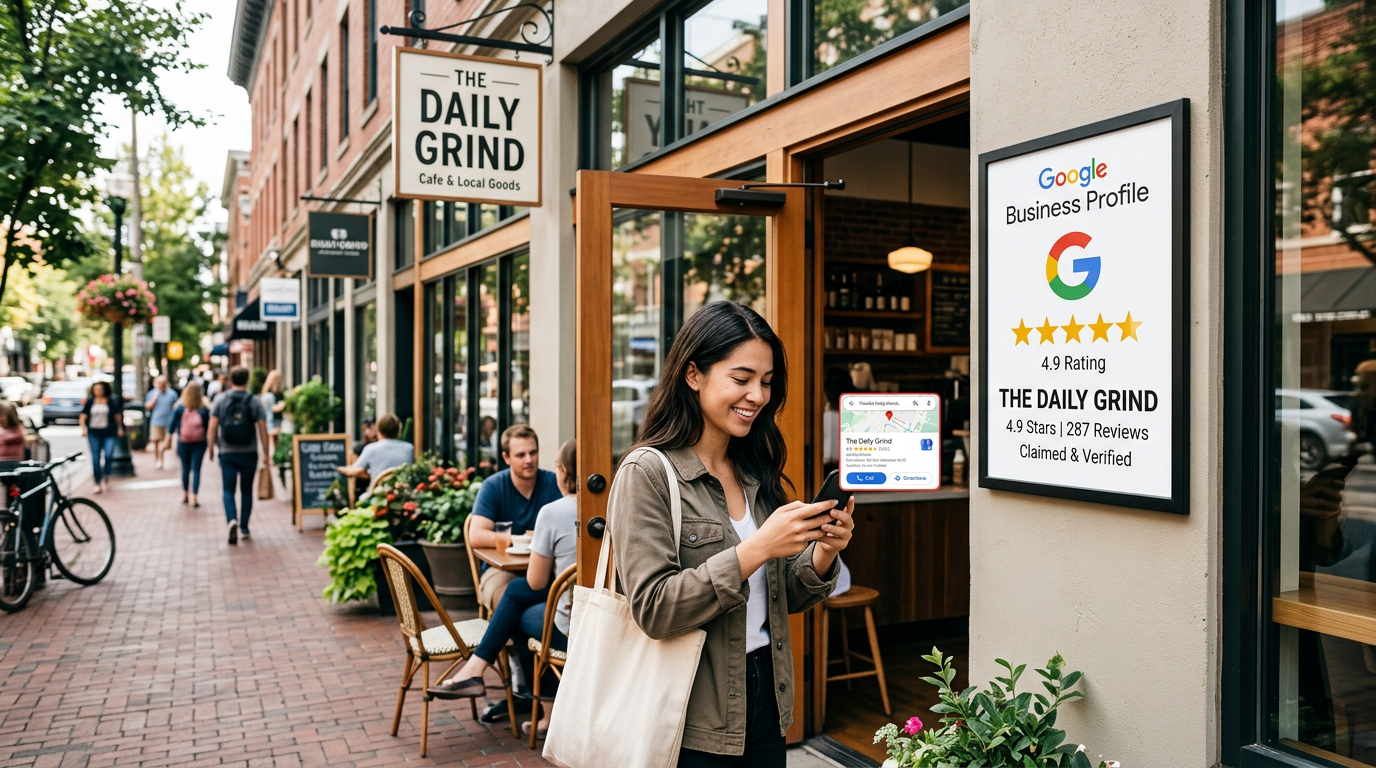
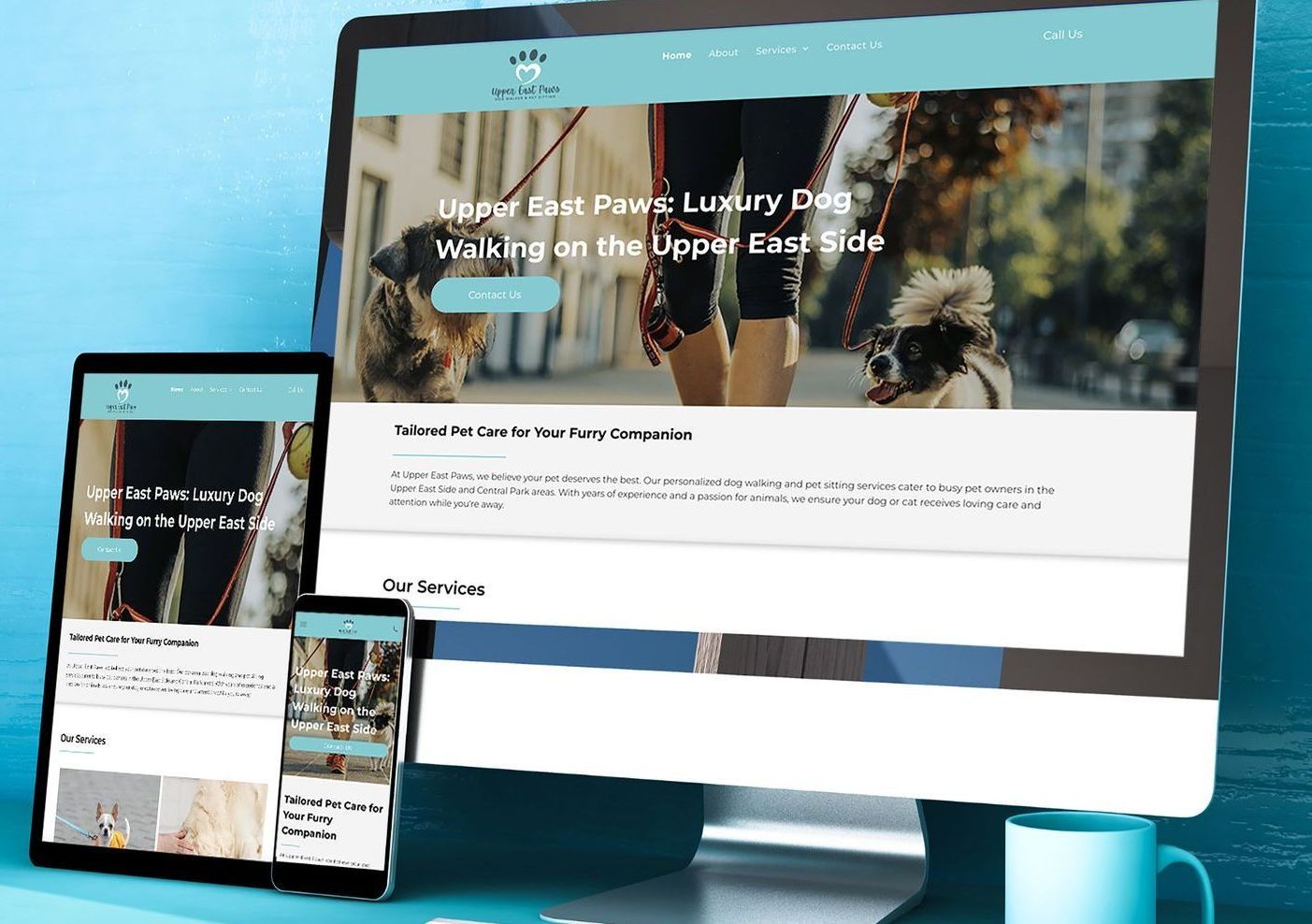
None of this works in isolation. If your Google Business Profile and local SEO are generating leads, but your response system is slow, you're wasting the visibility you worked to build. If your custom website design is driving form submissions, but those forms sit unanswered for hours, the conversion work your site is doing gets undone by the follow-up gap.
Fast response isn't a nice-to-have bolted onto your marketing. It's the final step that determines whether all your other marketing spend actually turns into revenue.
What to Actually Do About This
Start by honestly auditing your current response time. Not what you think it is: what it actually is. Submit a test form on your own website right now and time how long it takes to get a response. If it's more than 15 minutes, you have a problem, and it's probably costing you a meaningful percentage of your leads every single month.
Then decide whether you're going to solve it with a person watching notifications constantly (unsustainable) or with an automated system that never sleeps, never takes a lunch break, and never misses a weekend inquiry.
See What's Happening to Your Leads Right Now
We're offering free website audits that include a real response-time test of your current lead-capture system. We'll show you how long it takes for a lead to hear back from your business and what that's likely costing you in lost conversions.
Your competitor already figured this out. Keep losing leads to them, or fix it now.





Need Help Growing Your Business Online?
We offer website design, SEO, and AI automation services for Palm Beach County businesses.