
SEO Isn't Dead. It's Smarter. Here's What Changed in 2026
Every Few Years Someone Declares SEO Dead. They're Always Wrong.
Social media was going to kill SEO. Then it was voice search. Then it was "content is king" burning out into a race to the bottom. Now it's AI search, and the headlines are back: "SEO Is Dead in the Age of AI."
It's not dead. {Certain} People are still typing questions into search bars and clicking on results millions of times a day. What's dead is the version of SEO built entirely around gaming an algorithm instead of actually being useful.
Here's the distinction business owners keep missing: SEO isn't a fixed set of tactics. It's a moving target that tracks how people actually search and how search engines actually deliver answers. The tactics that worked in 2015 don't work now. That doesn't mean SEO is over. It means the version you learned five years ago is over.
If you've pulled back on SEO because you heard it's pointless now, you handed your rankings to competitors who didn't believe the headline.
What Actually Changed (Because It's Not Nothing)
Let's be specific about what's different, because vague claims about SEO "evolving" aren't useful to anyone trying to run a business.
Keyword stuffing stopped working years ago, but people still do it. Cramming "best plumber Miami emergency plumber Miami plumber near me" into a paragraph doesn't help you rank anymore and reads as spam to actual humans. Google's algorithms have understood natural language for a long time now, and AI-powered search tools are even better at recognizing manipulation.
Backlinks still matter, but quality dominates over quantity. A single link from a respected, relevant source outweighs fifty links from spammy directories. Link-buying schemes that used to move the needle now carry real risk of penalties.
Content length isn't a ranking factor by itself. The old advice to hit 2,000 words no matter what produced a lot of padded, useless articles. What matters is whether the content actually answers the question completely. Sometimes that's 400 words. Sometimes it's 2,500.
Technical SEO got more demanding, not less. Core Web Vitals, mobile-first indexing, structured data, page speed. The technical bar for competing in search results is higher than it was five years ago, even though the black-hat tricks that used to help you cheat around technical weaknesses don't work anymore.
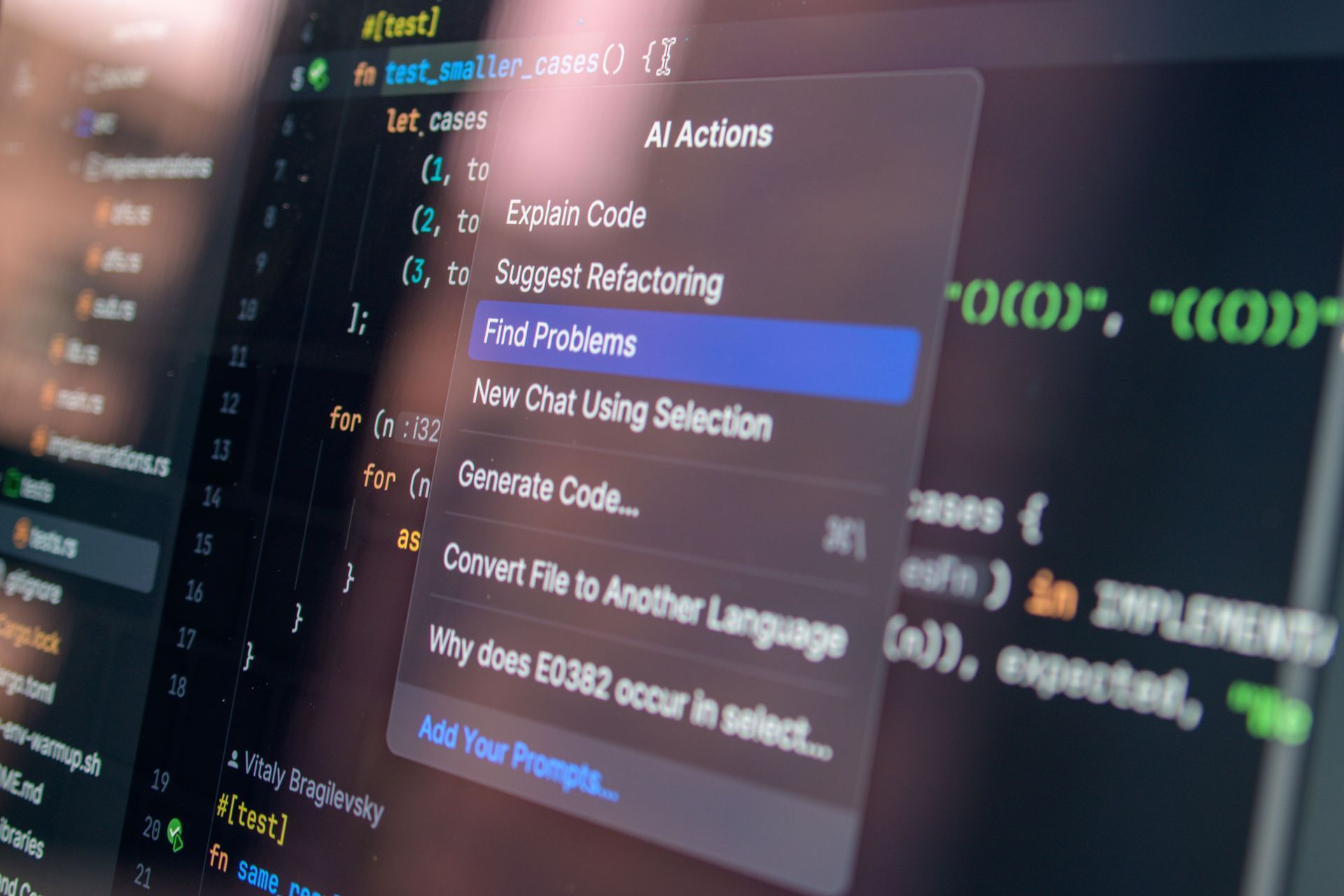
AI-generated summaries now sit above traditional results. This is the real shift. Google SGE and similar features answer many queries directly, meaning a chunk of searches never result in a click to any website at all. That's a genuine change in the landscape, and pretending otherwise is naive.
None of this means SEO stopped working. It means the bar moved up and the tactics that used to be shortcuts stopped being shortcuts. The businesses declaring SEO dead are usually the ones who never adapted past 2018 and are now confused about why their old playbook stopped producing results.
Why "SEO Is Dead" Is a Convenient Excuse
I'll be direct about this: a lot of business owners who say SEO doesn't work anymore never actually did SEO properly in the first place. They wrote a handful of blog posts three years ago, stopped, and now blame the algorithm instead of the abandoned strategy.
{Likely} SEO requires sustained effort. It's not a project you finish. It's closer to physical fitness: results compound with consistency and decay with neglect. A business that published weekly for six months, then went silent for a year, isn't experiencing "SEO's death." It's experiencing what happens when you stop showing up.
The honest reason a lot of small businesses give up on SEO is that it's slower and harder to measure than paid ads. You can see a Google Ads dashboard update in real time. SEO takes months to show movement, and it's easy to lose patience and declare the whole discipline broken.
That's not evidence SEO doesn't work. That's evidence of a mismatch between expectations and how organic search actually behaves.
What Modern SEO Actually Requires
If you're serious about competing in search results in 2026, here's where your effort needs to go.
Answer real questions completely. Think about what your customers actually ask before they call you. "How much does a roof replacement cost in Florida?" "What's the difference between a tankless and traditional water heater?" Write content that fully answers those questions instead of teasing an answer to get someone to call.
Build topical authority, not just individual pages. Google (and AI search tools) trust sites that comprehensively cover a subject over time. A single great article helps. Twenty connected articles that thoroughly cover your service area establish you as the authority Google wants to recommend.
Fix the technical foundation first. No amount of great content saves a site that takes six seconds to load or breaks on mobile. Site speed, mobile responsiveness, and clean structure aren't optional extras. They're prerequisites.
Earn links instead of buying them. Guest posts on genuinely relevant industry sites, partnerships with local organizations, press coverage from doing something newsworthy. Slower than buying links, but it doesn't put your site at risk and it actually moves rankings.
Optimize for how AI reads content, not just how Google's old algorithm did. Clear structure, direct answers near the top of the page, and content organized around real questions gets pulled into AI summaries and cited by tools like ChatGPT and Perplexity. This is the piece most businesses are still ignoring entirely.
Stay active, consistently. One blog post a month for two years beats ten posts in a single week followed by silence. Search engines reward sustained relevance, and content creation that runs on a predictable schedule outperforms sporadic bursts of effort every time.
Where SEO and AI Search Actually Intersect
Modern SEO isn't SEO instead of AI optimization. It's SEO that accounts for the fact that AI-powered results now sit above traditional listings.
The content that ranks well in traditional Google search and the content that gets cited in AI summaries overlap heavily. Both reward clarity, structure, and genuinely useful answers. Both punish thin, keyword-stuffed filler. The businesses treating "SEO" and "AI search optimization" as two separate disciplines requiring two separate strategies are over complicating something that's actually one coherent approach: be the clearest, most useful answer to the question someone is asking.
Where they diverge is in structured data and how directly you answer questions. AI summarization tools pull cleanly extractable answers, so a page with a clear, quotable summary near the top performs better with AI tools than a page that buries its main point in paragraph six, even if both rank similarly in traditional search.
Local Businesses Have an Even Stronger Case for SEO Right Now
If you're a local service business, dismissing SEO is an especially expensive mistake. Local search intent is some of the highest-converting traffic that exists. Someone searching "emergency electrician near me" isn't browsing. They're about to hire someone in the next hour.
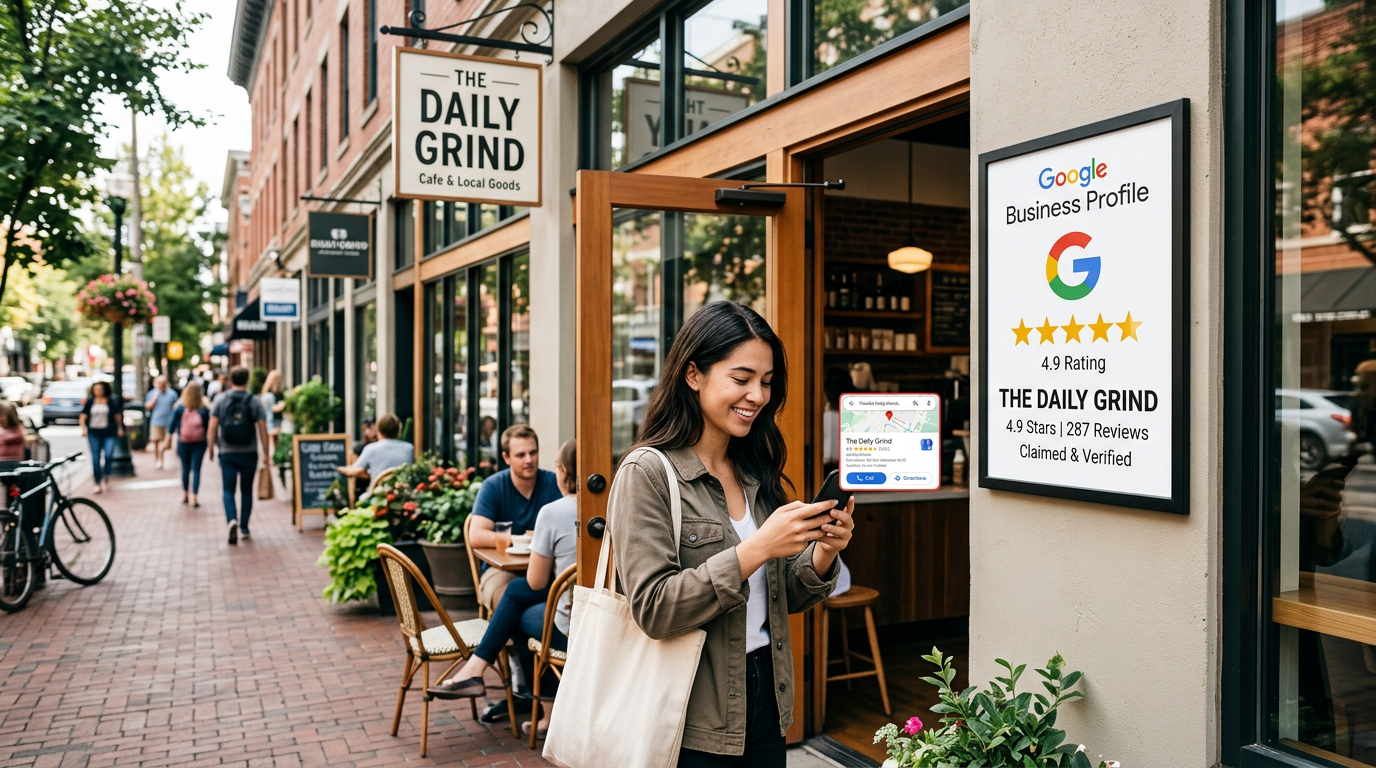
This ties directly into your Google Business Profile, your website's local SEO signals, and your overall content strategy. Local SEO isn't dying. It's arguably more valuable than it's ever been because fewer competitors are investing in it properly, even as more customers search this way.
What to Do Instead of Giving Up
Stop looking for a shortcut and stop looking for a reason to quit. SEO in 2026 rewards the same thing it always rewarded at its core: being genuinely useful to the person searching, delivered through a fast, well-structured custom website design that doesn't get in the way of that answer.
If you want to speed up execution without burning your own hours on it, that's where AI automation services come in: consistent content production, structured data implementation, and ongoing optimization that runs in the background instead of depending on you remembering to do it every week.
Find Out If Your SEO Strategy Is Actually Working
We're offering free website audits that show you exactly where your SEO stands right now: technical issues, content gaps, and whether your site is structured in a way AI search tools can actually use.
No jargon. No sales pressure. Just a clear picture of what's working, what's not, and what to fix first.
SEO isn't dead. Ignoring it while your competitors adapt is just a slower way of losing.








Need Help Growing Your Business Online?
We offer website design, SEO, and AI automation services for Palm Beach County businesses.